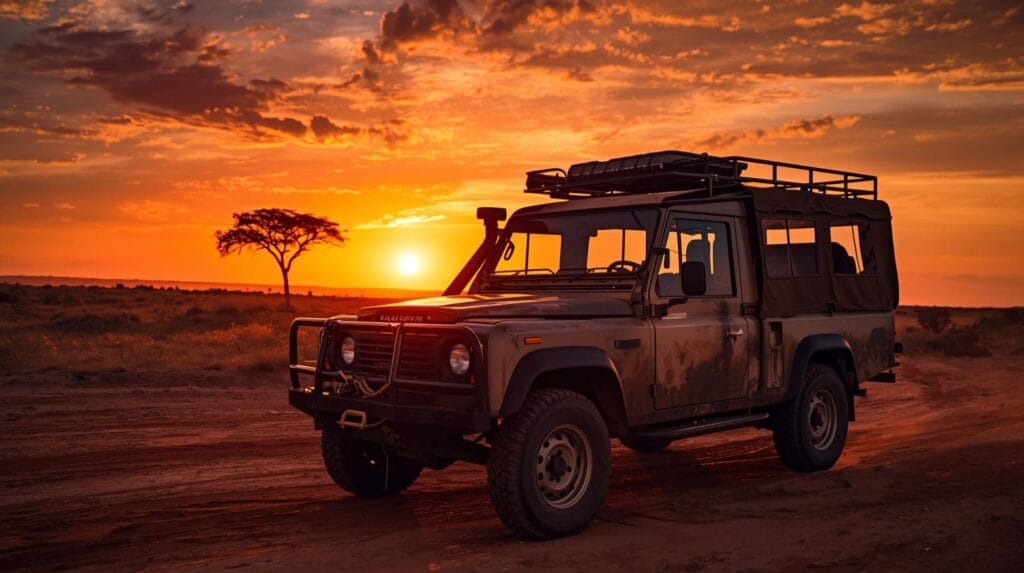
A safari is one of the most unforgettable travel experiences you can have, but it’s not without risk. While most people focus on photographing wildlife, the truth is that safari dangers go far beyond lions and hippos.
If you’re planning your first trip, here’s a realistic look at the most common safari dangers and how to stay safe.
Make sure to check out my Tanzania Itinerary and Safari Packing List.
*This post contains affiliate links which means I make a small commission at no extra cost to you. I am an Amazon Associate and earn from qualifying purchases. I appreciate your support.
Overlooked Safari Dangers: Car Accidents
Let’s start with something most people don’t expect: your safari vehicle may be the biggest risk of your trip.
The most dangerous part of a safari that no one’s talking about are the car accidents. The dusty roads and drivers passing each other on narrow roads with limited visibility can lead to accidents as well as breakdowns.
During my safari, my vehicle broke down outside a Maasai village. We had to wait for a mechanic to come and look at the vehicle, but he was not able to fix it. So we ended up getting a ride to the camp for the night and had a different safari vehicle dropped off at the camp the next morning.
Even if you don’t personally experience a crash, you may see:
Vehicles broken down in the bush
Cars that have been in collisions
In rare cases, vehicles that have flipped (I saw this)
How to Stay Safe in Safari Vehicles
Choose reputable tour operators with strong safety reviews
Check for seat belts before booking (not all vehicles have them!)
Read reviews carefully (search for keywords like “safe driver”)
Always wear your seat belt, even on game drives
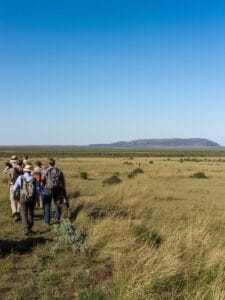
Bush Walk Safaris: Beautiful but Risky Safari Dangers
Walking safaris, also called bush walks, offer a completely different perspective. However, they come with higher risk than vehicle safaris.
You are no longer protected by a car, and animals can be unpredictable.
What to Know:
Always go with certified guides
Follow instructions immediately
Never wander off or try to get a better photo
These experiences are incredible, but they require full awareness and respect for the environment.
Safari Dangers at Night: Stay in Your Tent
Many safari lodges are located in unfenced areas, meaning wild animals can roam freely through camp at night.
Yes, this includes lions, buffalo, and hyenas.
Important Safety Rules:
Do not leave your tent or lodge alone at night
Always call for an escort if you need to move around camp
Keep your tent zipped and secured (Most places zip you in for the night)
This might sound intense, but it’s standard practice and taken very seriously by safari staff.
Health Risks: Malaria and Vaccines
Beyond physical safety, health precautions are a major part of understanding safari dangers.
Malaria Prevention
Many safari regions are malaria zones, especially in parts of:
Tanzania
Kenya
South Africa (certain areas)
To protect yourself:
Take preventative malaria medication (prescribed before your trip)
Use bug spray with DEET
Wear long sleeves and pants at night
In the U.S., you can visit Passport Health, which focuses on travel medicine. You let them know what countries you will be traveling to and they will meet with you about vaccines, medications, and other precautions.

Recommended Vaccines for Safari Travel
Depending on your destination, you may need or be advised to get:
Yellow Fever (sometimes required for entry)
Typhoid
Cholera
Always check with a travel clinic, doctor, or CDC website before your trip.
Final Thoughts: Safari Dangers
Safari dangers are real, but they’re manageable with the right preparation.
The key takeaway?
Wildlife isn’t the only threat, driver safety, health, and awareness matter just as much.
Make sure you:
Book with trusted operators
Follow safety rules
Take health precautions
I had an amazing safari and would absolutely do it again in the future. This is not meant to discourage anyone from taking a safari, but instead to make sure you are prepared.
Safari Essentials
- Binoculars (you will use these more than you expect)
- Safari Hat
- Supergoop Face Sunscreen
- Canon R50
- Pump Duster for Camera
- Canon RF 100-500mm lens
- Ben’s Deet Wipes are effective and don’t count as a liquid in your luggage
- Neck Gaiter for dust
- Wet Wipes for hands and face
- Travelan to prevent GI issues
- Ekta Travel Insurance
- Airalo eSim